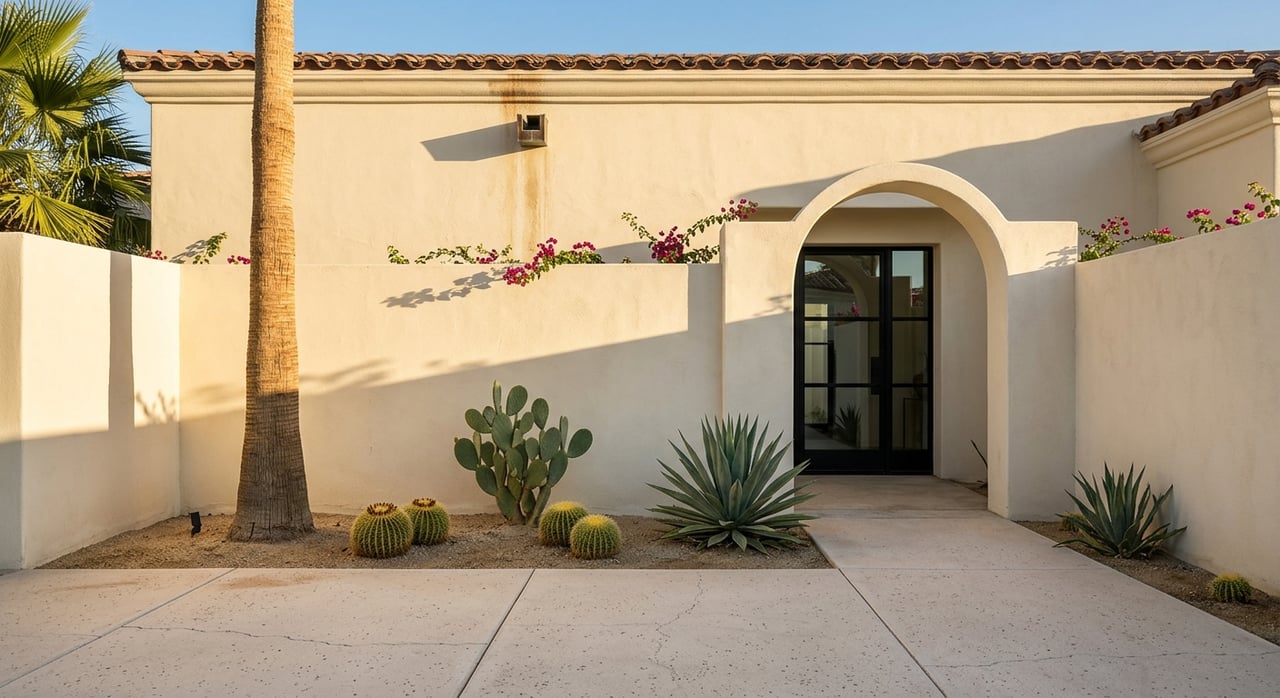
Wondering whether Palm Springs feels like a vacation town, a full-time city, or something in between? The truth is, it blends all three in a way that is hard to understand until you spend real time here. If you are thinking about moving, buying a second home, or simply narrowing down your options in the Coachella Valley, this guide will help you understand the pace, personality, and everyday rhythm of life in Palm Springs. Let’s dive in.
Palm Springs at a Glance
Palm Springs is a city of 45,453 residents as of the July 1, 2024 estimate, located on the western edge of the Coachella Valley in Riverside County. According to the U.S. Census Bureau, it is a relatively small city, but local materials describe it as a place with the cultural amenities of a much larger one.
That balance is a big part of the appeal. You get a city with organized neighborhoods, public parks, recreation facilities, and year-round events, but it still feels more intimate and lifestyle-driven than many larger Southern California markets.
The Climate Shapes Daily Life
If you live in Palm Springs, you learn quickly that the weather does not just affect your plans. It helps set your routine. NOAA climate normals show an annual average high of 88.9°F, an annual average low of 62.3°F, and just 4.61 inches of precipitation per year.
Summer is especially intense. July averages 108.6°F for the high and 79.4°F for the low, while January averages a much milder 70.5°F and 47.6°F.
In practical terms, Palm Springs often feels like a morning-and-evening city. Many people save outdoor activity for earlier in the day or after sunset, then use the hottest hours for indoor errands, work, pool time, or simply staying cool.
Outdoor Living Is Still Central
The heat does not stop outdoor life here. It just changes the timing. The city highlights hiking trails, bicycle routes, a municipal golf course, a public Olympic-size pool, a dog park, a baseball stadium, and a lively downtown event calendar as part of everyday life in Palm Springs.
That means the outdoors is not treated like a special occasion. It is part of the local rhythm, especially during cooler months and in the shoulder seasons when people can spend more time outside comfortably.
Neighborhoods Feel Distinct
One thing that surprises many buyers is how neighborhood-driven Palm Springs is. The city works with 52 recognized neighborhood organizations, which is unusually extensive for a city this size. You can explore the city’s neighborhood system through the Office of Neighborhoods.
That structure matters because Palm Springs does not feel like one uniform desert suburb. It feels more like a collection of smaller lifestyle pockets, each with its own look, setting, and pace.
Downtown and Close-In Areas
If you want to be near restaurants, shops, events, and walkable activity, downtown-adjacent neighborhoods often draw attention. Visit Palm Springs describes Historic Tennis Club as the heart of downtown, which gives you a sense of how closely some areas connect to the city’s social core.
This part of town tends to appeal to people who want quick access to dining, nightlife, museums, and local events without a long drive. It can feel lively, convenient, and closely tied to the city’s public-facing energy.
Midcentury Strongholds
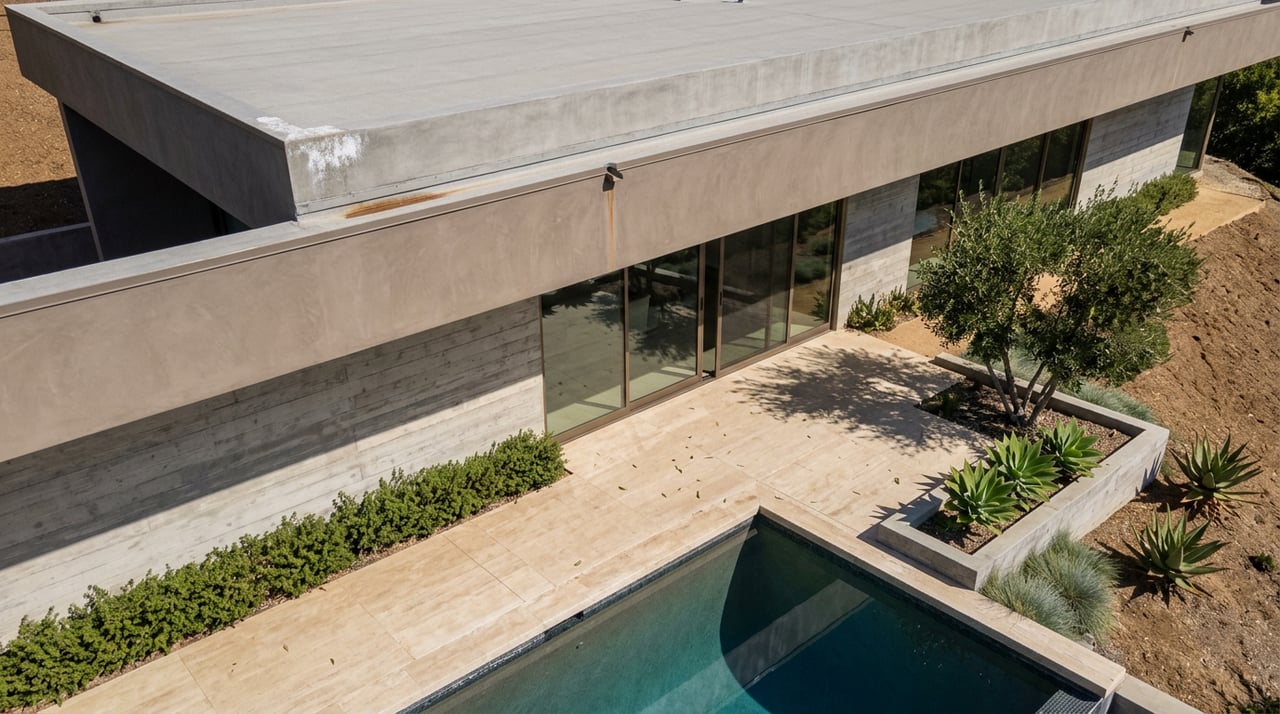
Palm Springs is famous for architecture, and some neighborhoods reflect that more strongly than others. Areas such as Deepwell Estates, Indian Canyons, Sunrise Park, and Sunmor Estates are often associated with midcentury homes and design character, based on the city’s tourism materials.
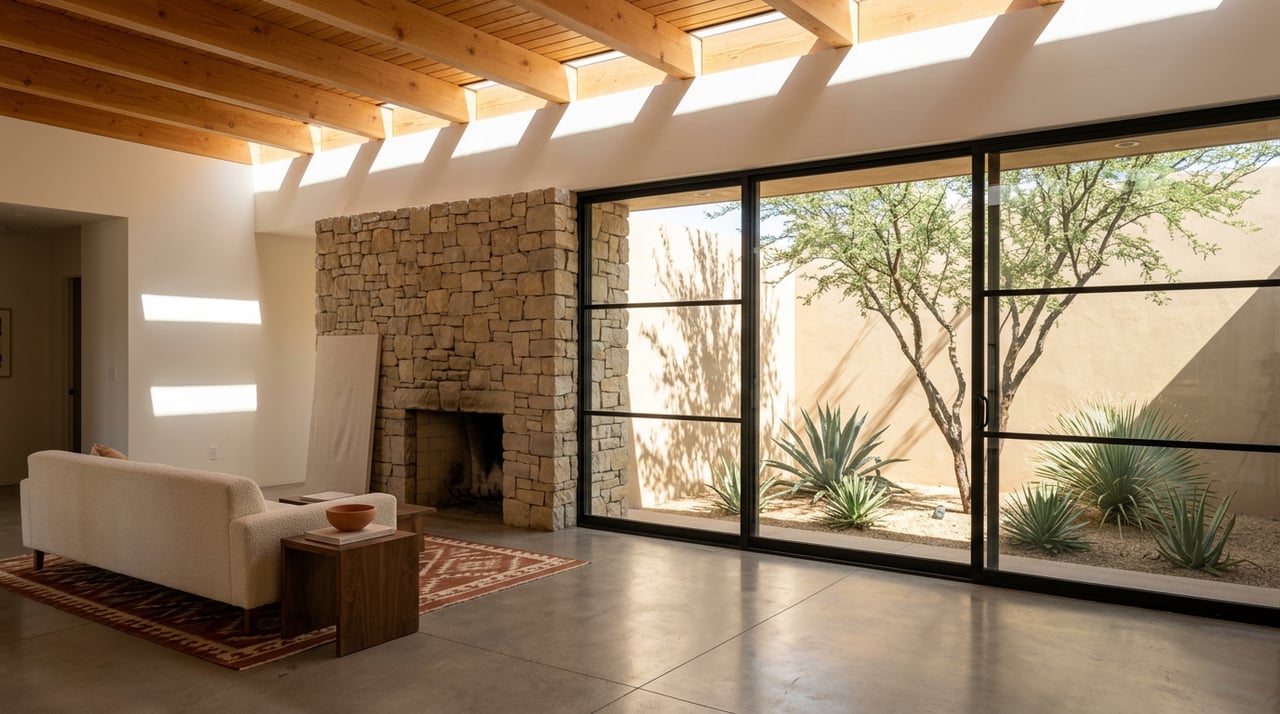
If architecture matters to you, this is a real part of daily life, not just a brochure talking point. You notice it in rooflines, glass walls, indoor-outdoor layouts, and the overall visual identity of the streetscape.
Hillside and View Areas
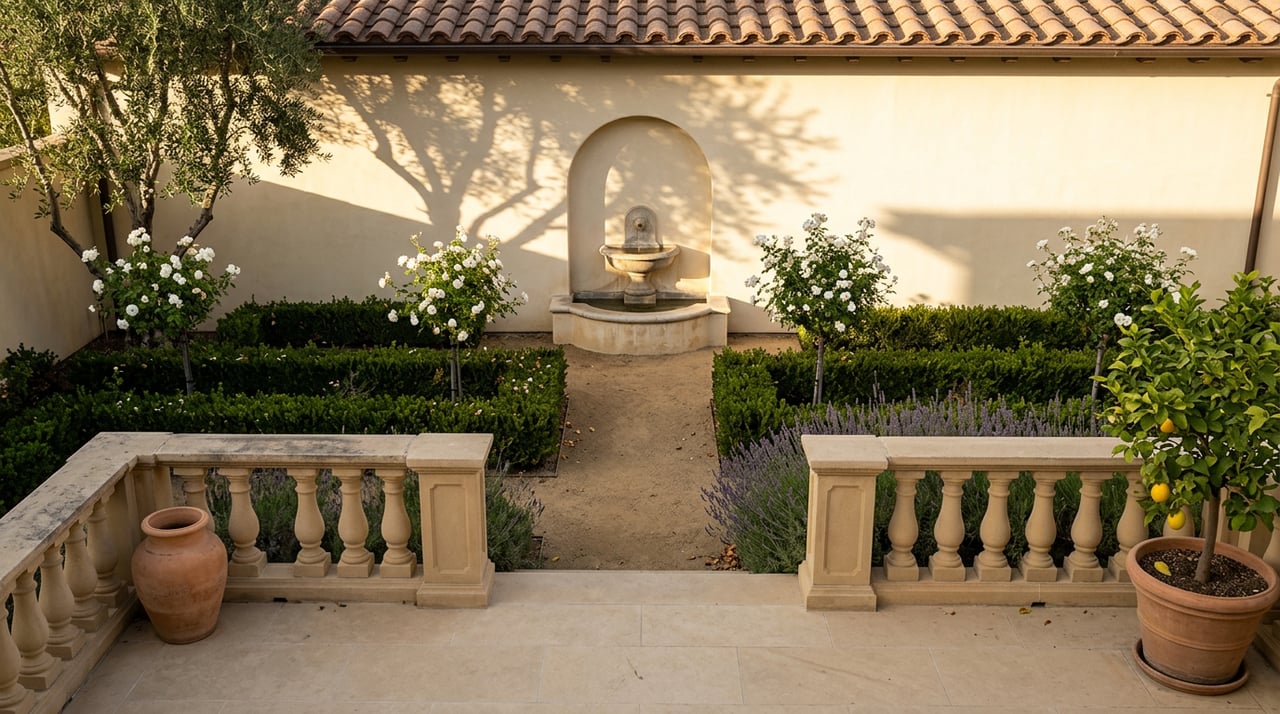
Neighborhoods like Little Tuscany and The Mesa are often noted for a more hillside setting and view orientation. Those differences can noticeably change the feel of everyday living, even within a short drive of downtown.
Some parts of Palm Springs feel more tucked away and scenic, while others feel more central and connected. That variety is one reason buyers often benefit from seeing several neighborhoods in person before choosing a direction.
Newer and Contemporary Options
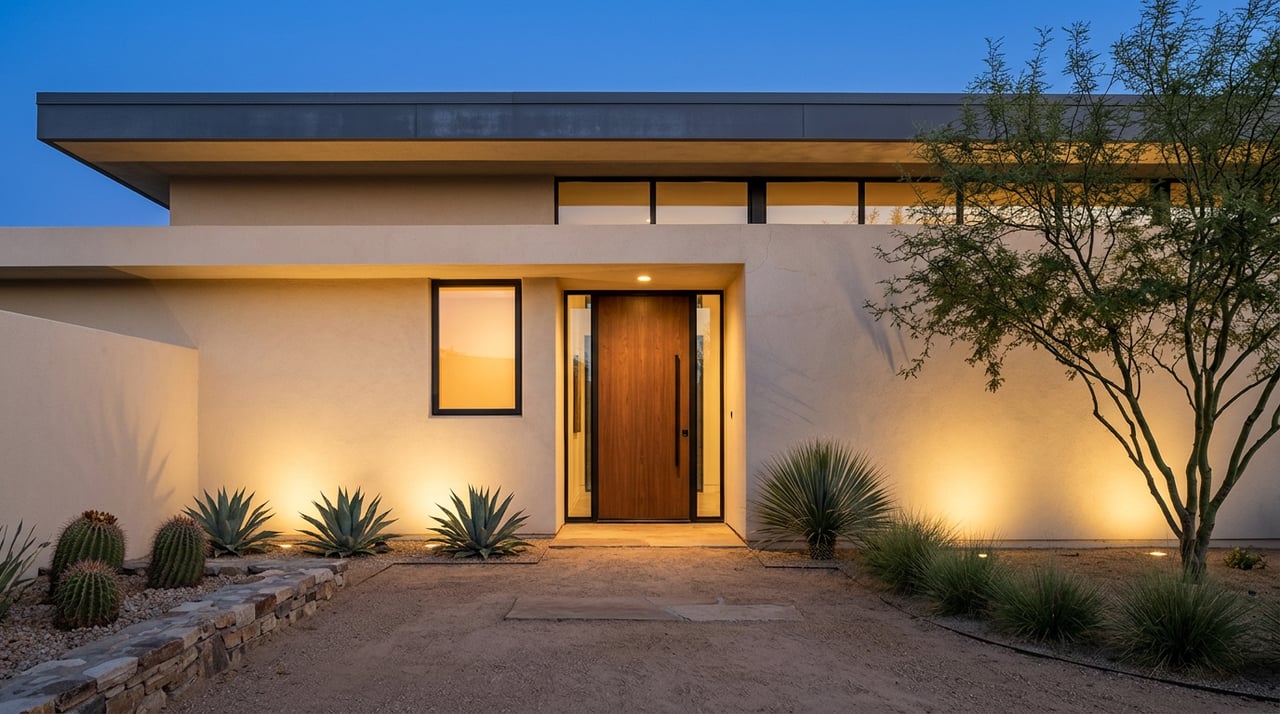
Palm Springs also includes newer planned areas such as Escena and Four Seasons, according to Visit Palm Springs neighborhood guides. These areas can offer a more contemporary feel than the classic midcentury neighborhoods that often get the most attention.
For some buyers, that newer-home setting is a better match for their priorities. It really depends on whether you are drawn more to design history, views, convenience, or a lower-maintenance setup.
The City Has a Strong Sense of Identity
Palm Springs is not just a place with palm trees and mountain views. It has a very defined self-image, and architecture is a major part of that. Official tourism materials describe the city as a living museum of midcentury modern design, shaped by architects such as Albert Frey, E. Stewart Williams, Donald Wexler, Richard Neutra, and John Lautner.
You can see that design legacy in neighborhoods across the city, and you can also see it in the local event calendar. Modernism Week and related design programming make architecture part of the cultural life here, not just part of the resale conversation.
For buyers who care about style, lines, materials, and indoor-outdoor flow, that can be a meaningful quality-of-life factor. Palm Springs tends to attract people who want their surroundings to feel visually intentional.
Social Life Centers Around Downtown
Palm Springs has a small-city footprint, but its social life can feel surprisingly active. Downtown Palm Springs is known for walkable clusters of restaurants, shops, nightlife, and museums, especially around Palm Canyon Drive and the Uptown Design District.
The city’s weekly VillageFest is a good example of how public life works here. On Thursday nights, Palm Canyon Drive becomes a street fair with more than 200 booths, live entertainment, and businesses that stay open later.
That kind of event-driven atmosphere helps explain why Palm Springs can feel energetic even though it is not a large city. There is a strong public-facing culture built around gathering, dining, strolling, and evening activity.
Recreation Is Part of Everyday Routine
If you like to stay active, Palm Springs offers more than occasional weekend options. The city says it has an extensive network of bike lanes and routes, plus designated repair stations and local mobility options that make shorter trips easier.
That supports a lifestyle where biking, neighborhood cruising, and outdoor movement can be part of ordinary daily life. In many areas, you are not just driving from one indoor place to another.
Golf Is a Real Lifestyle Feature
Golf is deeply woven into Palm Springs culture. The city operates Tahquitz Creek Golf Resort, which includes two 18-hole courses and a practice center, and tourism materials also point to Indian Canyons Golf Resort as a major local destination.
Even if you are not a golfer, this matters because it shapes the market and the lifestyle. Many homes are purchased with golf access, golf views, or resort-style living in mind.
Nature Is Close at Hand
Palm Springs also offers direct access to desert landscapes that feel dramatic and distinct. Tahquitz Canyon features interpretive hikes and Tahquitz Falls, while the Palm Springs Aerial Tramway opens access to Mt. San Jacinto State Park and more than 50 miles of trails.
The Agua Caliente Band of Cahuilla Indians also emphasizes the importance of the area’s ancestral lands, Indian Canyons, Tahquitz Canyon, and the Agua Caliente Cultural Plaza in understanding the place itself. That deeper geographic and cultural context gives Palm Springs a stronger sense of identity than many resort-style cities.
Palm Springs Often Appeals to Low-Maintenance Living
Palm Springs has a notably older age profile than many California cities. The latest Census QuickFacts estimate reports that 35.3% of residents are age 65 or older. That does not define the city, but it does help explain some visible lifestyle patterns.
You see a meaningful presence of downsizers, retirees, seasonal residents, and buyers looking for simpler ownership. In real estate terms, low-maintenance living, second homes, and lock-and-leave convenience are all important parts of the conversation here.
If that matches your goals, Palm Springs may feel especially practical. If you want a place that supports part-time use, easy upkeep, or a more relaxed pace with strong amenities, the city has a lot to offer.
What Daily Life Really Feels Like
So what is it really like to live in Palm Springs? For many people, it feels structured around climate, design, and lifestyle. Mornings may start with a walk, bike ride, coffee, golf round, or hike. Midday often moves indoors. Evenings open back up with dinner, neighborhood drives, events, and downtown activity.
It also feels highly visual. The mountains, the architecture, the palms, and the open sky are part of daily life, not just something you notice when guests visit. That visual consistency gives the city a strong sense of place.
At the same time, Palm Springs is not one single experience. Your day-to-day life will depend a lot on the neighborhood you choose, how much you value walkability, whether you want historic design or newer construction, and how you prefer to spend your time.
If you are considering a move, the most helpful next step is often to explore Palm Springs through a lifestyle lens, not just a price-point lens. If you want one-on-one guidance on neighborhoods, architecture, relocation, or finding the right fit in Palm Springs, connect with Charles Estates Luxury Properties.
FAQs
What is the weather like when you live in Palm Springs?
- Palm Springs has very hot summers, mild winters, an annual average high of 88.9°F, and only about 4.61 inches of rain per year, so many residents plan outdoor time for mornings, evenings, and cooler seasons.
What are Palm Springs neighborhoods like for full-time living?
- Palm Springs has 52 recognized neighborhood groups, and different areas can feel noticeably different, from downtown-adjacent neighborhoods to hillside settings, midcentury areas, and newer planned communities.
What is downtown Palm Springs like for everyday life?
- Downtown Palm Springs is a major hub for restaurants, shops, nightlife, museums, and events like VillageFest, which helps create an active, walkable social scene.
What kinds of outdoor activities are common in Palm Springs?
- Residents often enjoy hiking, biking, golf, parks, the public pool, and desert attractions like Tahquitz Canyon and the Palm Springs Aerial Tramway.
Is Palm Springs a good fit for retirees or seasonal homeowners?
- Palm Springs is often appealing for retirees, downsizers, and seasonal owners because the city has a significant 65+ population and a lifestyle that often supports low-maintenance and part-time living.
What makes Palm Springs different from other desert cities?
- Palm Springs stands out for its strong architectural identity, neighborhood variety, active downtown, recreation options, and a lifestyle shaped by both the desert climate and the city’s event-driven culture.