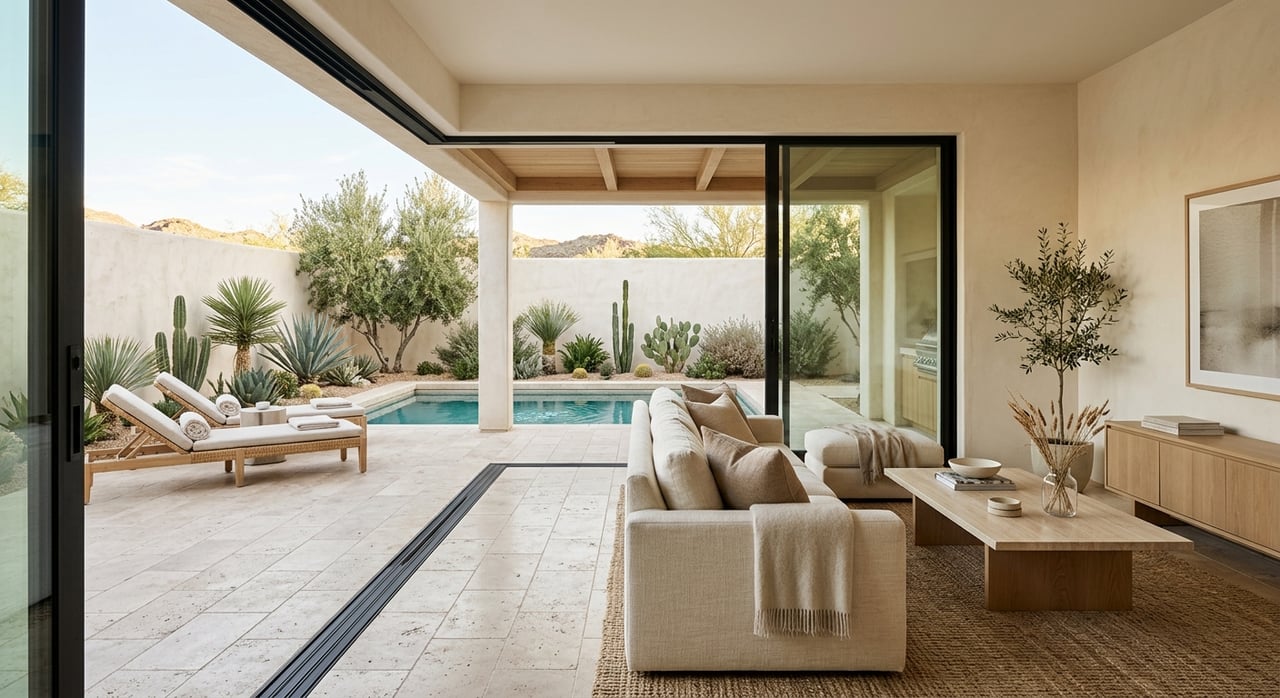
Wondering why Palm Springs can feel busy one month and selective the next? If you are shopping for a second home here, that shift is not your imagination. Palm Springs operates differently from a standard suburban market, and understanding that rhythm can help you buy more confidently, avoid costly assumptions, and focus on the homes that truly fit your goals. Let’s dive in.
Why Palm Springs feels different
Palm Springs sits inside the broader Greater Palm Springs and Coachella Valley resort region, which welcomed 14.5 million visitors in 2024. Tourism plays a major role in the local economy, and the area’s mild winters and active spring season naturally shape when many part-time owners use their homes.
That does not mean Palm Springs is only a vacation market. It is also a real city with full-time residents, and Census data shows a 65.9% owner-occupied rate. In other words, primary residences and second homes exist side by side, which is part of what makes this market more layered than many buyers expect.
Palm Springs also has a physical constraint that matters. City planning materials note that most of the city is already built out, with new development largely limited to infill or sensitive areas. That keeps the resale market especially important, which is one reason buyers need to pay close attention to each property’s details rather than assume a steady flow of brand-new inventory.
Seasonality shapes demand
If you are searching from out of area, timing matters. Palm Springs tends to align with seasonal patterns tied to weather, visitor traffic, and the broader resort calendar, so buyer interest often rises when the desert lifestyle is most in use.
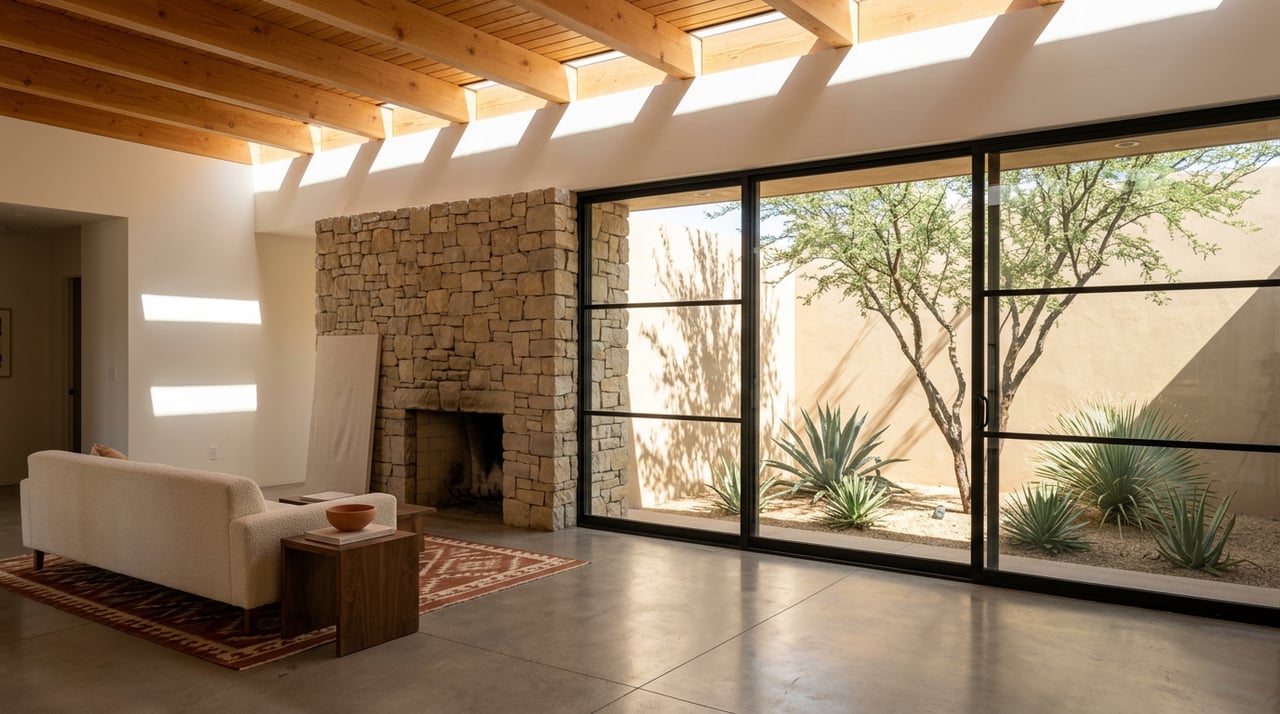
That seasonal pull affects how homes are viewed and valued. A lock-and-leave condo may stand out during peak seasonal demand, while a home with strong indoor-outdoor living may attract more attention when buyers are actively imagining time spent here during the cooler months.
At the same time, today’s market is not showing the same frenzy seen during the pandemic boom. National second-home demand has softened, but Riverside remains one of the higher-ranking metro areas for second-home mortgage share. That means Palm Springs still attracts second-home buyers, just in a more measured environment.
What second-home buyers are actually buying
Many people picture Palm Springs as a market of iconic luxury homes and dramatic architecture. That image is part of the story, but it is not the whole story.
The active inventory includes detached homes, condos, co-ops, townhomes, and mobile or manufactured homes. That range gives buyers several entry points depending on budget, maintenance preferences, and how often the home will be used.
Condos are especially important in the second-home conversation. A recent citywide inventory snapshot showed 372 condos for sale with a median listing price of $419,000. For many buyers, that makes a condo one of the more practical ways to enter the Palm Springs market while keeping upkeep more manageable.
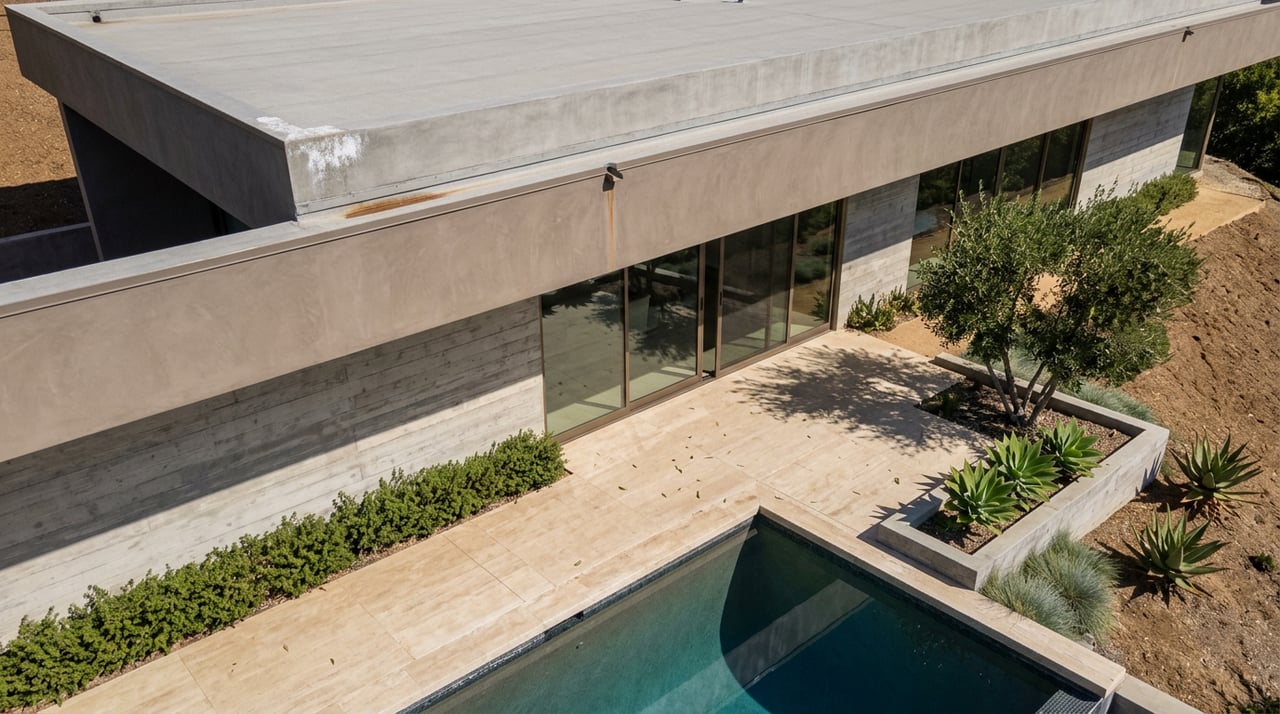
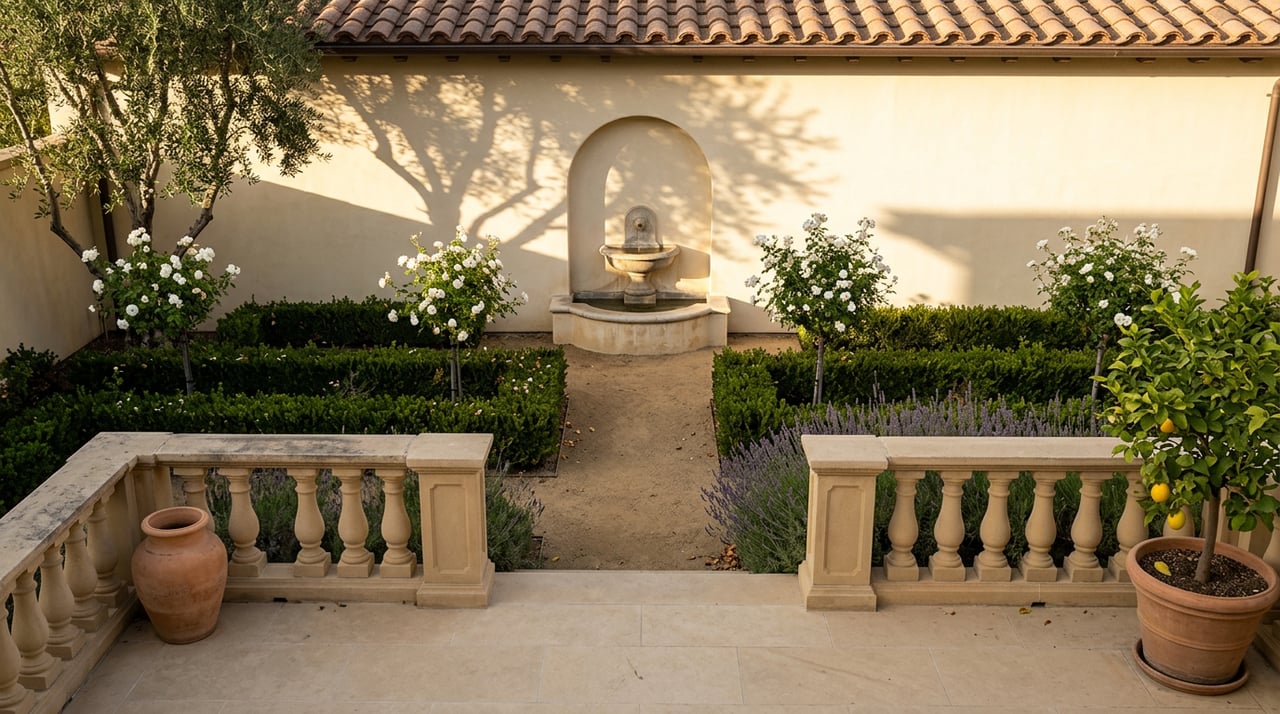
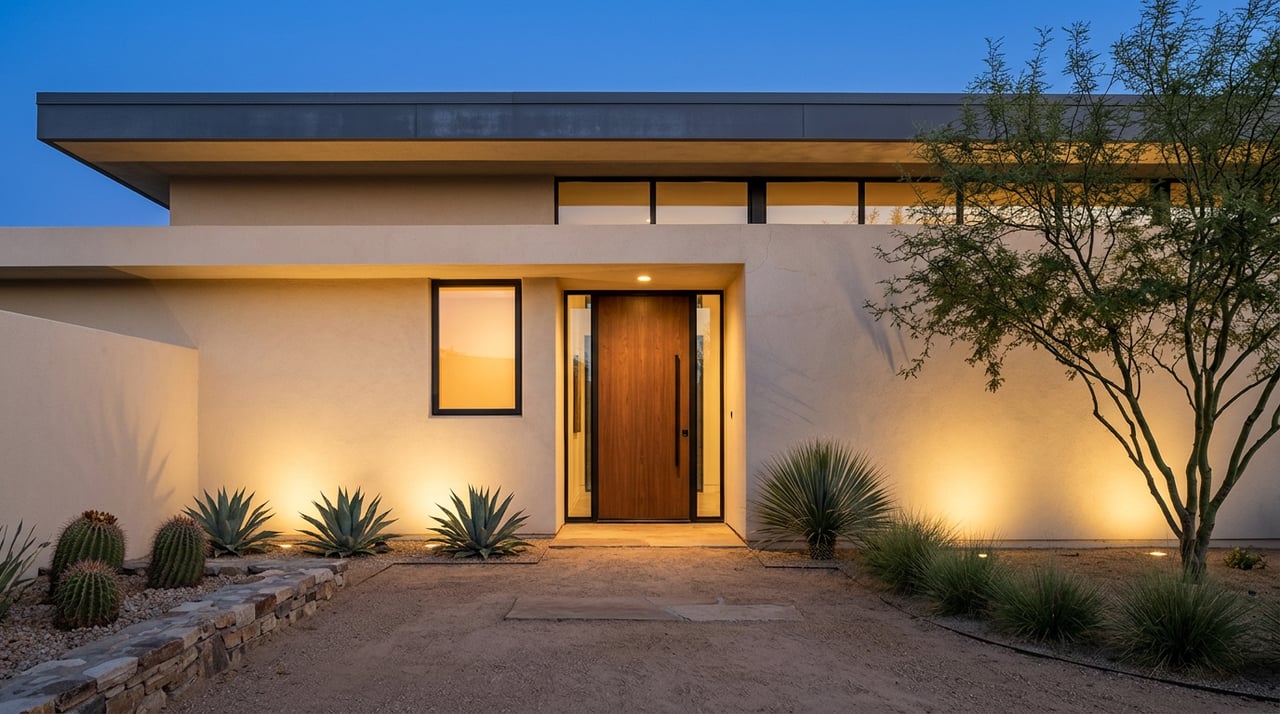
Detached homes remain a strong option for buyers who want more privacy, outdoor space, or a stronger architectural statement. Palm Springs’ housing documents describe the city as having eclectic, well-defined residential areas and a rich collection of architecture influenced by mid-century modernism and earlier resort styles. If design matters to you, Palm Springs offers real variety, but each property still needs to be evaluated on its own terms.
Pricing is active, not chaotic
One of the biggest misconceptions about second-home markets is that every desirable property becomes a bidding war. In Palm Springs, the current data suggests a market that is active but not out of control.
Redfin’s March 2026 snapshot shows a median sale price of $610,000, 70 days on market, a 97.2% sale-to-list ratio, and 9.7% of homes selling above list price. Realtor.com’s April 2026 snapshot shows a median listing price of $719,950, a median sold price of $600,000, 57 days on market, and a 98% sale-to-list ratio.
The takeaway is simple: you should be prepared, but you do not need to assume every purchase requires an aggressive overbid. Redfin describes Palm Springs as somewhat competitive, with some homes receiving multiple offers, while the average home still sells about 3% below list. The strongest offers are often built on clean terms and realistic pricing, not drama.
Move-in ready homes can still move fast
Even in a cooler second-home environment, not all listings behave the same way. Palm Springs and nearby desert cities remain vacation-home destinations, and move-in ready homes can still attract quick attention.
That matters if you are targeting a property that checks several common second-home boxes, such as updated condition, easy maintenance, appealing outdoor space, or a location that fits your seasonal lifestyle. Well-positioned homes can still trade quickly even when the broader market feels more balanced.
Palm Springs also continues to draw outside attention. Redfin reports that 4% of homebuyers searching in Palm Springs came from outside metros, led by San Francisco, Boston, and Seattle. So while the market may feel local once you arrive, you are often competing with buyers comparing Palm Springs against other lifestyle markets.
Rental plans change the equation
If you may rent the home part-time, you need to understand Palm Springs rules before you write an offer. This is one of the biggest areas where buyers can make incorrect assumptions.
In Palm Springs, a vacation rental is defined as a single-family dwelling, or part of one, used without the owner present for 28 consecutive days or less. A registration certificate is required, and the city states that a permit does not automatically transfer to a new owner.
Stays of 29 days or more fall outside the city’s short-term rental ordinance. That distinction matters if you are comparing occasional short stays with longer seasonal occupancy.
The city also requires several things for qualifying vacation rentals, including:
- Monthly transient occupancy tax reporting
- Short-term rental insurance
- Annual safety inspections
- Written HOA confirmation, when applicable, that the use does not violate CC&Rs
Palm Springs’ transient occupancy tax rate is 11.5%, and operators must file a return every month whether or not the property was rented. The city also describes vacation rentals and homesharing as ancillary and secondary uses of residential property, and it uses neighborhood density rules to limit where new permits may be issued.
If rental flexibility is part of your plan, this is not a detail to check later. It should be part of your due diligence from the start.
HOA rules matter more than buyers expect
Many second-home buyers focus first on price, pool, or style. In Palm Springs, HOA rules can be just as important.
Because so much of the city is built out and resale inventory matters so much, buyers often end up choosing among properties with different association structures, fees, and use restrictions. If you are considering a condo, townhome, or single-family home in an HOA, you will want to review the rules closely.
For buyers thinking about part-time rentals, the city specifically requires HOA confirmation that short-term rental or homeshare use does not violate the governing documents. That means even if a property seems to fit your goals on paper, the HOA may shape what is actually possible.
Palm Springs land ownership is not one-size-fits-all
This is one of the most important things out-of-area buyers should know. Palm Springs has a unique pattern of land ownership, with Indian and non-Indian holdings arranged in alternating square-mile sections.
As a result, not every property works the same way. Before writing an offer, you should verify whether the home is fee simple or tied to a leasehold or tribal-land structure.
That does not automatically make one property better than another. It simply means you should understand the ownership structure before assuming all desert homes follow the same rules. This step is especially important if you are comparing properties across Palm Springs and nearby cities in the Coachella Valley.
What smart second-home buyers do before offering
Palm Springs rewards buyers who stay practical. In this market, preparation usually matters more than trying to overpower the field.
A strong second-home buying approach often includes:
- Getting pre-approved before touring seriously
- Clarifying whether the home is for personal use, part-time use, or possible rental use
- Reviewing HOA rules early
- Confirming the land-tenure structure
- Pricing the home against current market conditions, not old headlines
Because Palm Springs sits at the center of a nine-city resort region, many buyers also compare options in places like Rancho Mirage, Palm Desert, Indian Wells, La Quinta, and nearby desert communities before deciding. That comparison process can be helpful, but it also makes it even more important to understand what is unique about Palm Springs itself.
The real takeaway on Palm Springs second homes
The Palm Springs second-home market works best for buyers who see it clearly. It is seasonal, but not only seasonal. It is lifestyle-driven, but still grounded in real market data. It can feel relaxed compared with boom years, yet the right homes still move fast.
Most of all, this is a market where details matter. Property type, HOA restrictions, rental rules, land ownership structure, and resale positioning all shape whether a home is a smart fit for you.
If you want a second home here, the goal is not to chase a Palm Springs image. The goal is to match your budget, use plan, and comfort level with the right property and the right terms. That is how you make a confident move in a market like this.
If you are considering a second home in Palm Springs or anywhere in the Coachella Valley, Charles Estates Luxury Properties offers direct broker-level guidance, local market insight, and one-to-one support to help you evaluate the details that matter most.
FAQs
What makes the Palm Springs second-home market seasonal?
- Palm Springs is part of a resort region shaped by mild winters, spring events, and strong tourism activity, so many part-time owners use their homes most during fall through spring.
Are condos common for second-home buyers in Palm Springs?
- Yes. Condos are a major entry point in Palm Springs, and recent inventory data showed 372 condos for sale with a median listing price of $419,000.
Is the Palm Springs market highly competitive for second-home buyers?
- It is somewhat competitive, but current data suggests an active market rather than a frenzy, with many homes selling near but often below list price.
Can you use a Palm Springs second home as a short-term rental?
- Possibly, but you need to verify city rules, HOA restrictions, permit requirements, insurance, inspections, and monthly transient occupancy tax reporting before assuming short-term rental use is allowed.
What should out-of-area buyers verify before buying in Palm Springs?
- You should confirm the property’s land ownership structure, review any HOA rules, understand rental restrictions if relevant, and have financing ready before making an offer.