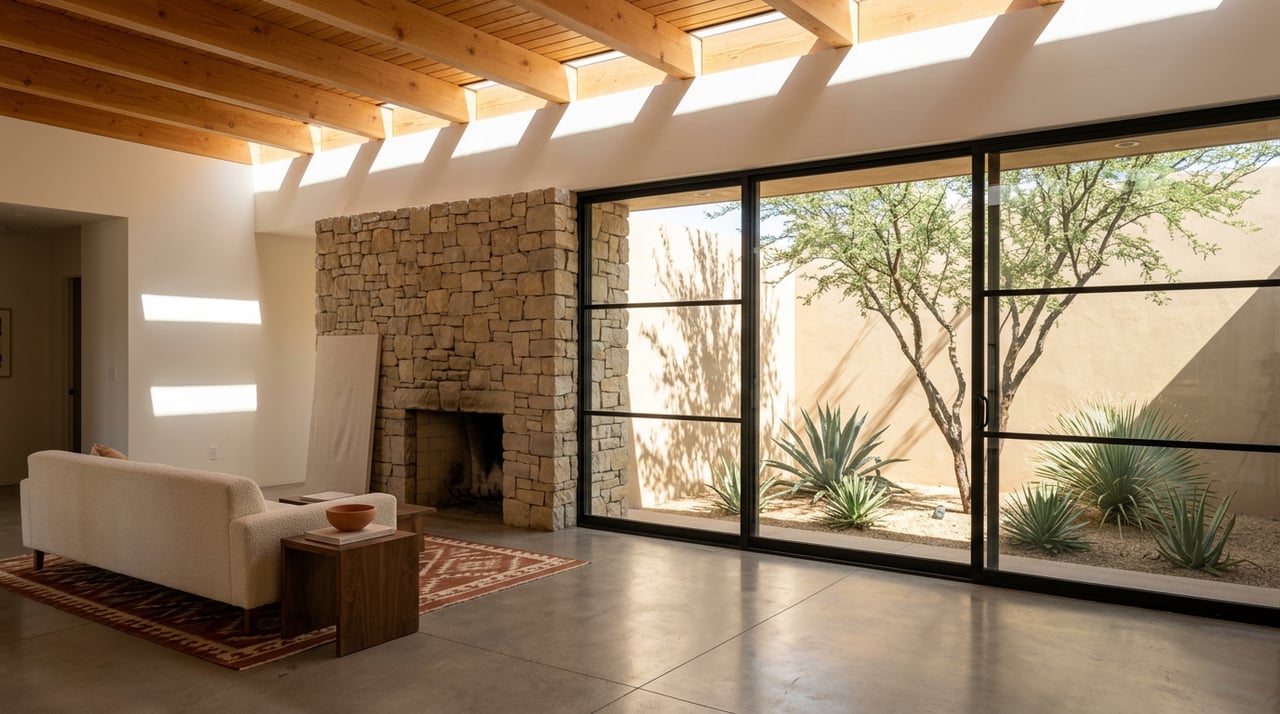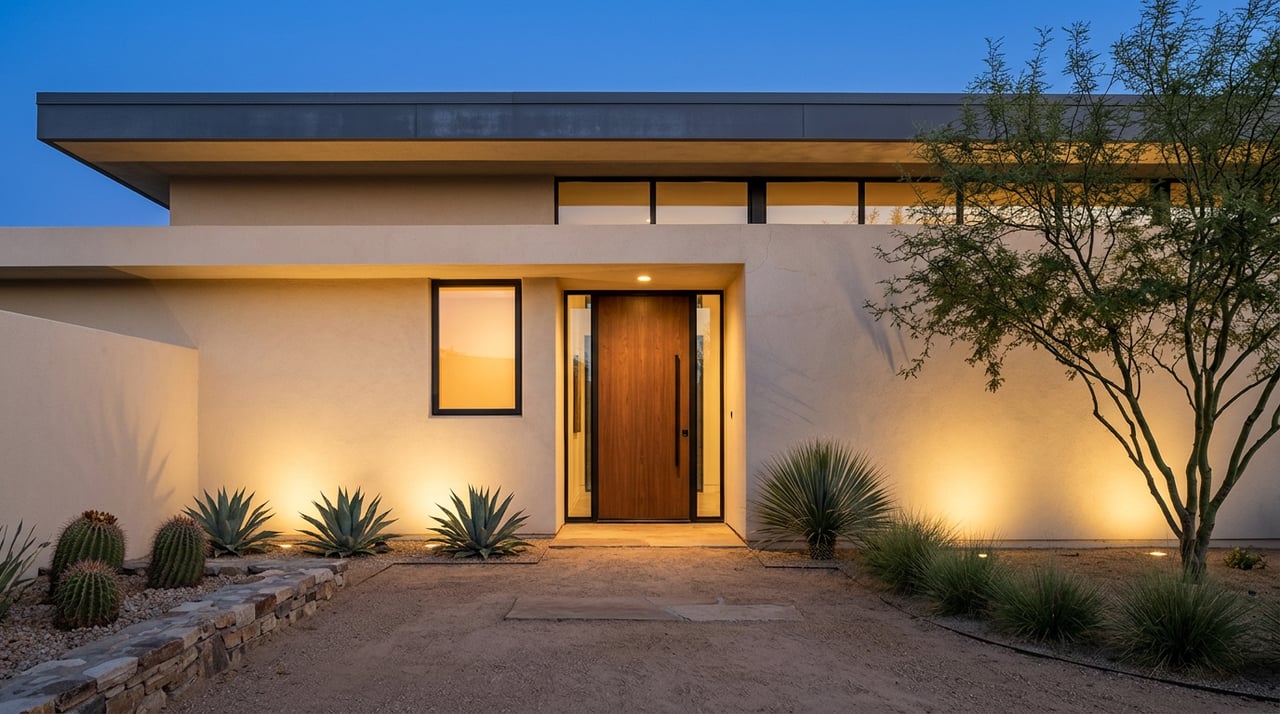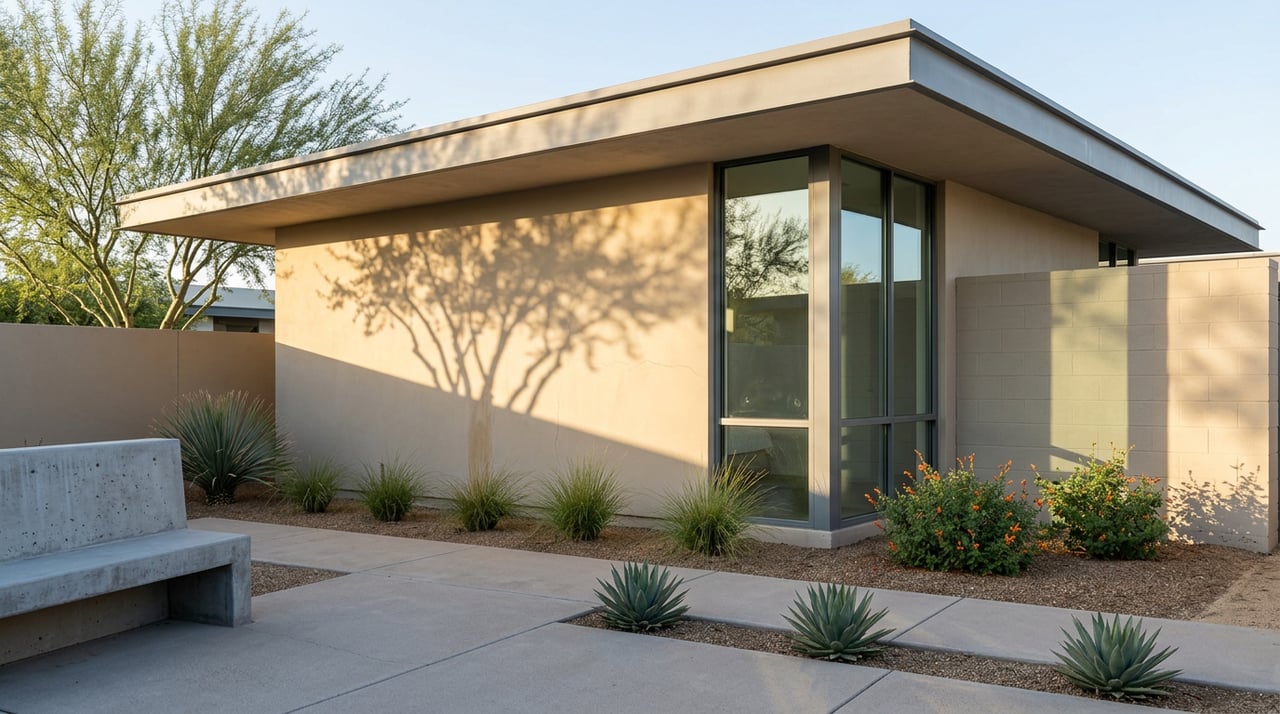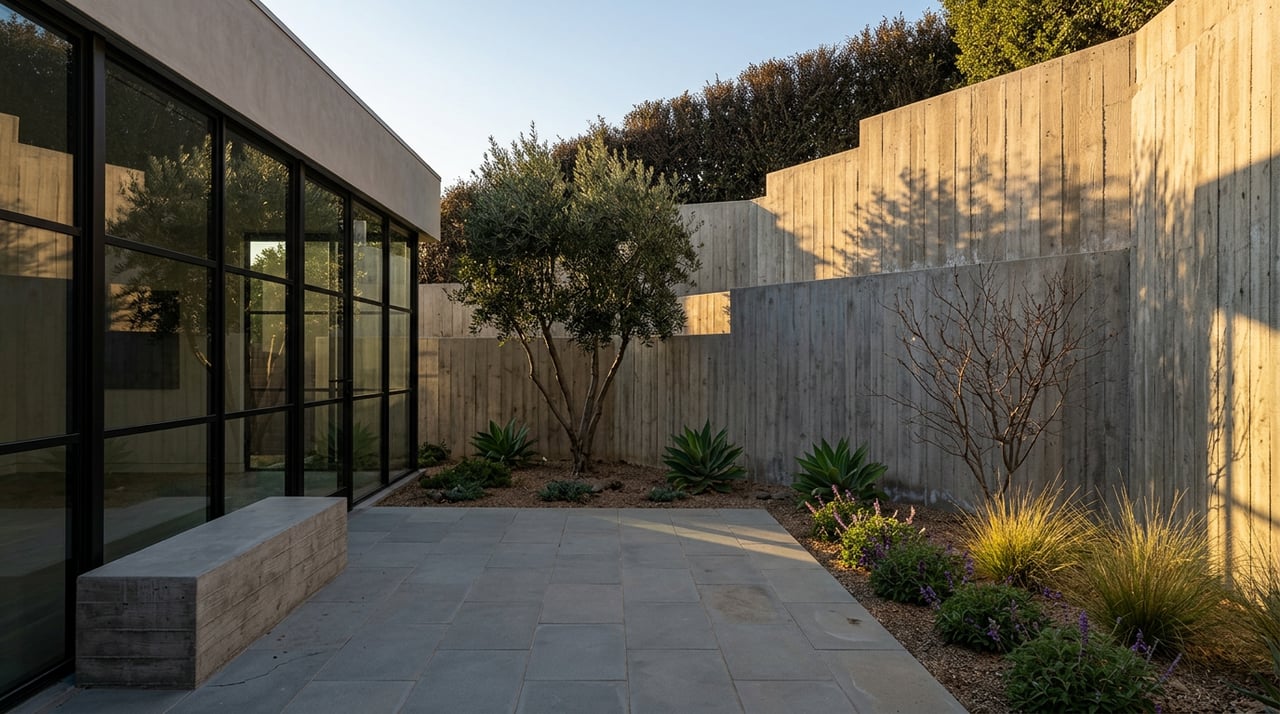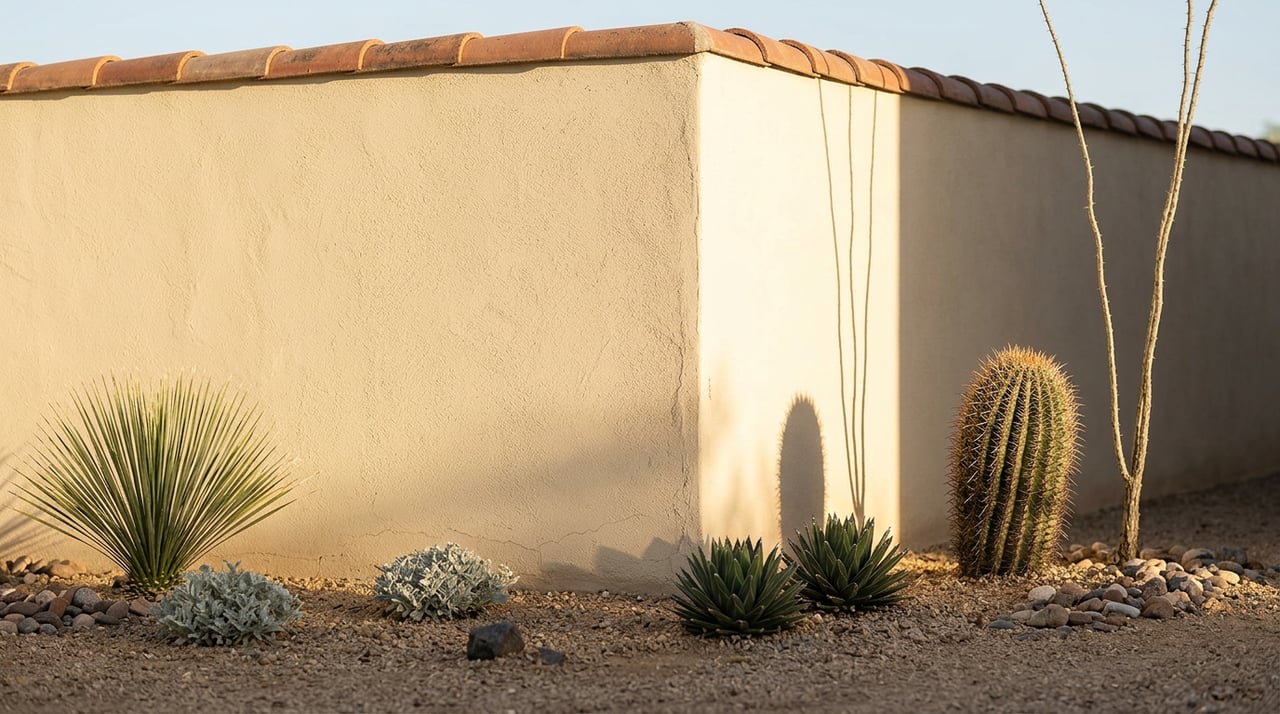
Two houses sit across the street from each other in south Palm Springs. Same floor plan, same era, same view of the mountains. One is listed at $1.1 million. The other is listed at $825,000.
The cheaper one is not a deal. It is a math problem, and the answer is written in a lease document filed with Riverside County that most out-of-area buyers never think to read before they write an offer.
The number that matters isn't the list price
Palm Springs is one of the very few American cities where a meaningful share of the housing stock sits on land the homeowner does not own. Roughly 6,700 acres inside Palm Springs belong to the Agua Caliente Band of Cahuilla Indians, the result of an 1876 federal land grant that alternated one-mile squares of tribal land with railroad parcels in a checkerboard pattern spanning ten miles either side of the tracks. Well over a century later, that checkerboard still governs what you actually own when you close.
More than 23,000 residential properties across the Coachella Valley sit on leased land, and roughly 7,700 of those residential leases sit on tribal land whose sale must be processed through the Federal Bureau of Indian Affairs. When a buyer flying in from San Francisco or Seattle sees the price gap between two similar homes, "leased land" reads as a footnote. It is not a footnote. It is the entire story.
Where the 20 to 30 percent discount actually comes from
The list-price discount on a leasehold is not a gift from the seller. It is the market pricing in four separate frictions that only surface once a buyer starts writing offers.
Ground rent as a second mortgage payment. A leasehold buyer pays ground rent in addition to the mortgage, HOA dues, insurance, and utilities. On many Palm Springs leaseholds that monthly land payment lands somewhere between a couple hundred dollars and eight hundred plus, which a lender treats as a fixed obligation when qualifying the buyer.
Lender risk tied to the remaining term. This is the friction most out-of-area buyers miss. If the remaining lease drops below roughly 35 years, most conventional lenders will not write a 30-year mortgage against the property, which forces the buyer pool to shrink to cash and specialty lenders and naturally suppresses the sale price. A common underwriting rule is that the lease term must extend five to ten years beyond the life of the loan.
Buyer pool compression at resale. Leasehold homes carry a smaller pool of qualified buyers to begin with, which extends time on market and pulls sale prices down relative to comparable fee simple homes.
Tax treatment on the improvements only. Because the homeowner does not own the dirt, property taxes are generally assessed on the structure rather than the land, which can produce meaningful annual savings. That is a real benefit and one of the few genuine upsides in the math.
Add those four together and you land close to the range brokers see in practice: lease land homes typically list 20 to 30 percent below comparable fee simple properties, and that gap is a trade-off rather than a flaw.
A worked comparison
The clearest way to see the mechanism is to line up two hypothetical Palm Springs condos side by side. Numbers here are illustrative to show the math the lender is doing, not a quote on any specific property.
| Line item | Fee simple condo | Leasehold condo |
|---|---|---|
| List price | $700,000 | $525,000 |
| Down payment at 25% | $175,000 | $131,250 |
| Estimated principal and interest | approx. $3,400 | approx. $2,550 |
| Ground rent | $0 | $450 to $800 |
| HOA dues | similar | similar |
| Property tax base | land plus structure | structure only |
| Lender comfort | broad | narrower, term dependent |
| Buyer pool at resale | broad | narrower |
The leasehold reads cheaper at the top and often lands within a few hundred dollars of the fee simple monthly payment once ground rent is layered in. What the buyer is actually purchasing with that lower entry price is a different risk profile, not a lower cost of ownership.
Where this shows up on the map
Some of the most desirable addresses in the city sit on tribal land. Indian Canyons is a common lease-land location for architectural homes, along with Andreas Hills for the mountain setting and condo communities in south Palm Springs prized for being less windy and close to downtown. The tricky part for a newcomer is that lease status is not a neighborhood-wide fact. Some HOAs contain both fee and leased parcels, so a home on fee land can sit directly across the street from a neighbor on leased land, as happens in places like Canyon Estates in south Palm Springs and Desert Princess Country Club in Cathedral City.
The takeaway is practical. The MLS listing sheet is not the source of truth. The recorded lease is.
What to pull before you write the offer
Every leasehold deal turns on documents that live outside the marketing materials. Before an offer goes in, a careful buyer should have the following in hand:
- The full recorded lease and every amendment, obtained through the Riverside County Recorder.
- The remaining term in years as of the projected closing date.
- The current ground rent and the escalation formula, whether fixed steps, CPI linked, or periodic reset.
- Assignment, sublease, and landlord consent provisions, which govern short-term rental plans and future resale.
- Any lender-required protections such as subordination and non-disturbance language.
- The Riverside County Assessor's treatment of the possessory interest for this specific parcel.
- For tribal leases, confirmation that the sale will process through the BIA Palm Springs Branch and a realistic closing timeline that reflects that step.
The vast majority of tribal land leases are administered by the Bureau of Indian Affairs or an appointed property management company, meaning most homeowners and buyers do not deal directly with the individual tribal owners, and the administrator bills and collects land rent on an annual or monthly basis according to the terms of the lease. Buyers can reach the Bureau of Indian Affairs, Palm Springs Branch at 760.416.3289 for questions about a specific parcel.
How the 2026 market changes the calculation
For years the desert moved so fast that leasehold diligence got compressed into a weekend. That pressure has eased. The July 2026 Desert Housing Report from Greater Palm Springs Realtors put the median price for an average-sized detached home in Palm Springs at $1.17 million, down 6 percent year over year, with attached home prices down 4 percent to $434,000. Palm Springs entered the reporting month with 638 homes on the market, the largest inventory drop in the valley, and homes were selling in an average of 45 days compared to 54 days the year before.
Valley-wide the market has moved into a balanced posture, with a months-of-sales ratio of 5.4 months, which under 6.0 indicates a balanced or neutral market. What that means for a leasehold buyer is real negotiating room and, more importantly, time to read the lease before an offer.
The one part of the market still climbing is the top. Homes priced above $1 million are up about 5 percent so far in 2026, which is where the interesting leasehold plays tend to sit. Prime addresses on tribal land can offer a lower ticket into a neighborhood that would otherwise be out of range, provided the lease term and rent escalation support the hold period.
The buyers who do best in this market are the ones who separate the two questions the listing price bundles together. Question one is whether the home fits the life. Question two is whether the lease fits the plan. A great home on the wrong lease is still the wrong purchase.
Questions worth asking early
Does a leasehold hurt appreciation? Historically no. Market data indicates that homes on leased land appreciate at the same rate as those on fee simple land. The risk is not the trajectory. The risk is the remaining term shrinking under the lender threshold during the hold, which compresses the buyer pool when it comes time to sell.
Can a lease be extended before it runs out? Usually yes, and it typically happens well in advance. Homeowners working as a neighborhood group typically negotiate a lease extension, a new lease, or occasionally a land buyout long before the lease expires, and to date there are no instances of a residential lease expiring in the Palm Springs area.
Does buying a leasehold slow the closing? Yes. Tribal lease transfers process through the BIA, which adds review steps a standard escrow does not carry. A buyer working on a tight relocation calendar should build the extra time into the offer, not into a hopeful expectation.
When to talk it through
The Palm Springs market rewards buyers who ask the second question, not just the first. If you are comparing two homes and one of them sits on leased land, the decision is a documents-first exercise, not a price-first one. Charles Estates Luxury Properties has walked buyers through both sides of the checkerboard, from architectural leaseholds in Indian Canyons to fee simple homes across the wider Coachella Valley, and can help you read a specific lease against your hold period, your lender, and your resale plan before you sign anything.
Let's Connect.