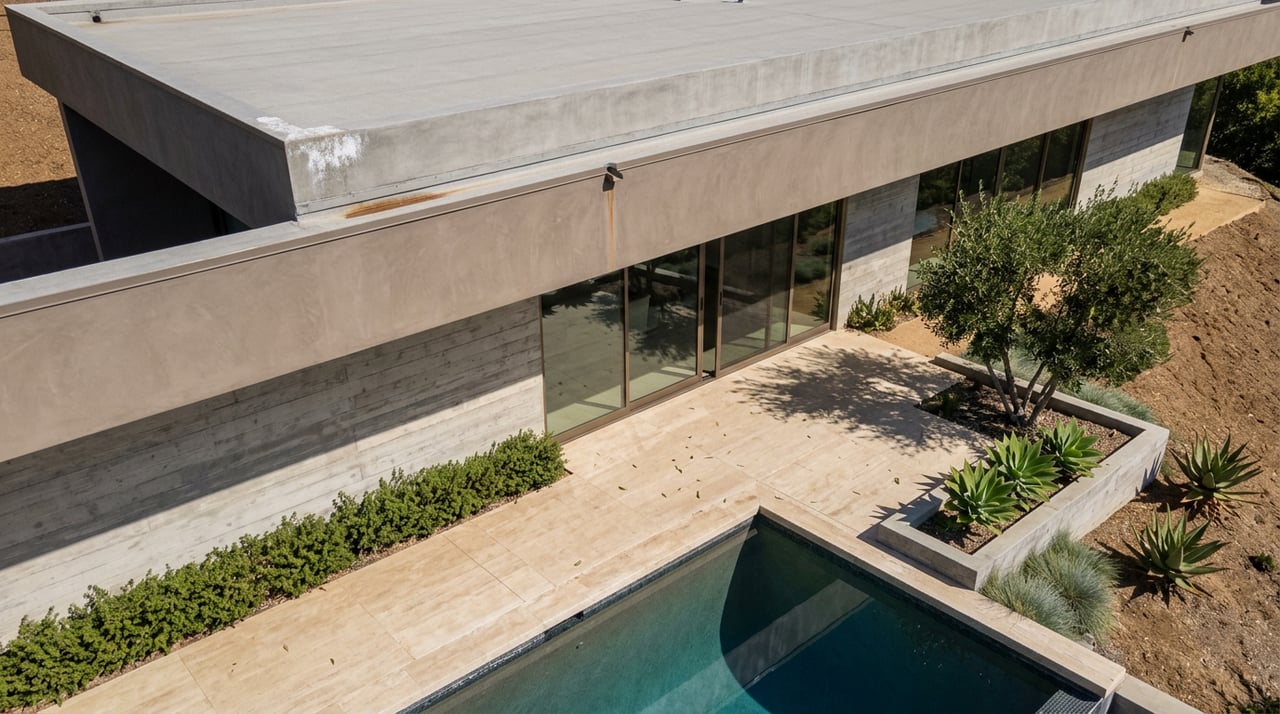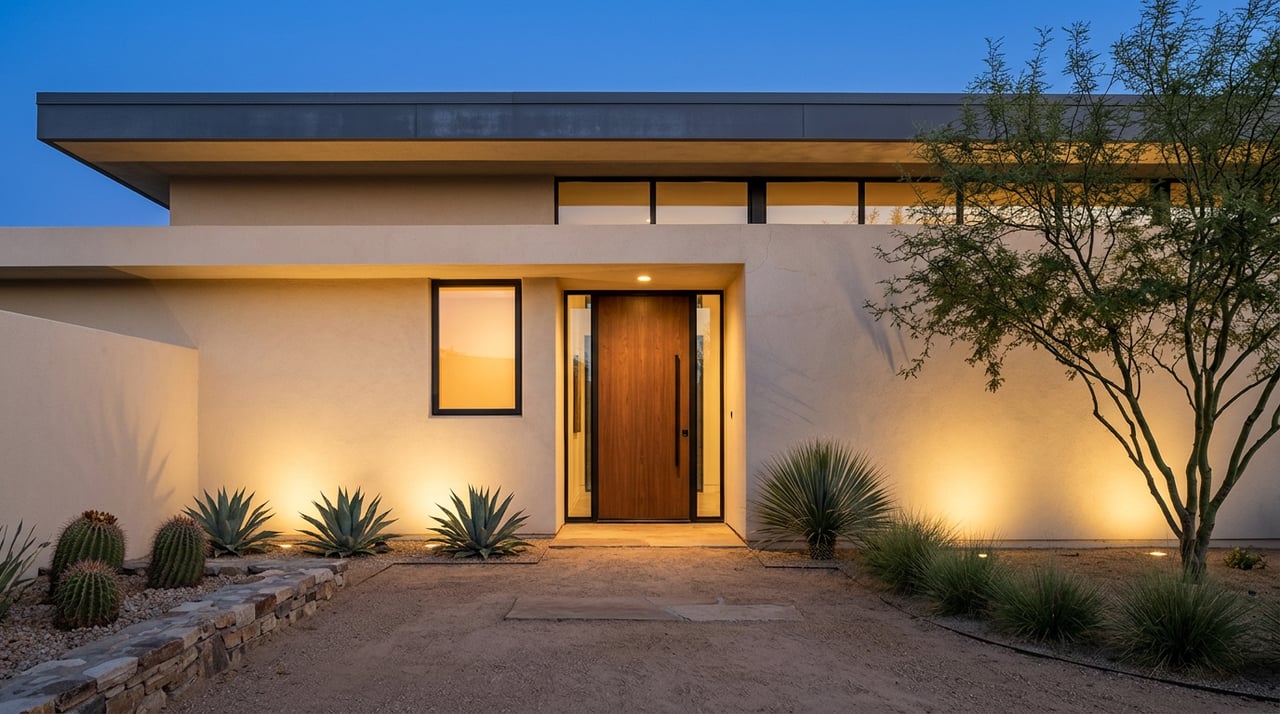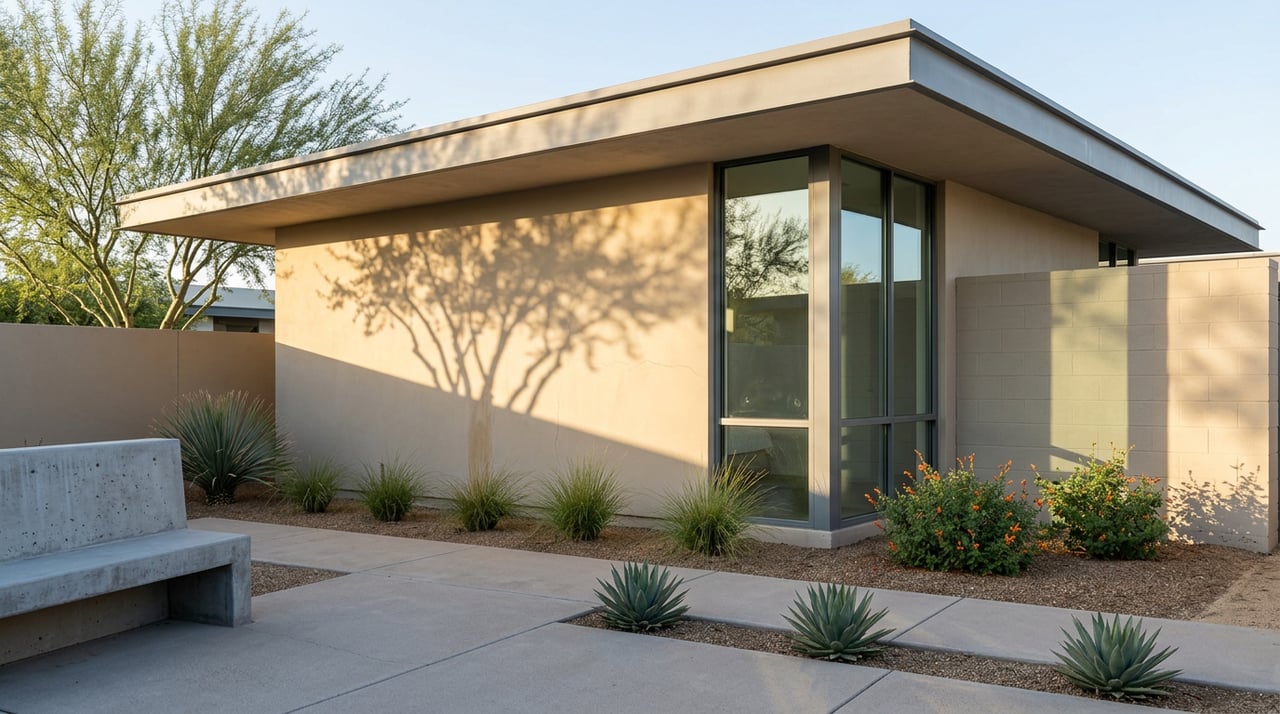
Racquet Club Estates and Twin Palms show up in the same sentence as "best Palm Springs rental neighborhood" for good reason. Butterfly rooflines, private pools, the kind of mid-century curb appeal that photographs well and books fast. Racquet Club Estates in particular has built a reputation among short-term rental investors for commanding some of the highest nightly rates in the city.
Here is the part that catches buyers off guard. Racquet Club Estates was also one of the first Palm Springs neighborhoods to hit the city's 20 percent vacation rental density cap, back when the rule took effect in 2022. A buyer who wants to run a short-term rental there today isn't shopping for a permit along with the house. They're shopping for a spot on a waitlist behind everyone who already applied.
That distinction, permit versus property, is the piece of the Palm Springs market that a listing price and a rental income estimate will never show you.
The certificate belongs to the owner, not the house
Palm Springs regulates short-term rentals through a Vacation Rental Registration Certificate, and the city is explicit that the certificate is a privilege, not a right that runs with the deed. Certificates are issued to a specific person, or to a personal trust or a small LLC made up entirely of natural persons, not to a business entity and not to the property itself. When a home sells, the certificate generally does not transfer. The new owner has to file a fresh application, and if the neighborhood is already at capacity, that application goes straight onto the waiting list.
There's a practical wrinkle here too: the city does not accept new vacation rental applications while a property is in escrow. Once the sale closes, buyers who want to operate should expect an approval window in the 30 to 90 day range for neighborhoods still under the cap. In a capped neighborhood, that window doesn't apply at all. There's no approval clock running because there's no new certificate being issued.
If you're underwriting a purchase around projected short-term rental income, the certificate status of the specific address, not the neighborhood's general reputation, is the number that actually determines whether that income is available to you on day one.
The 20 percent line, and who's already over it
The cap itself is straightforward. Palm Springs Municipal Code Chapter 5.25 sets the Vacation Rental Neighborhood Percentage Cap at 20 percent of residential dwelling units in each city-recognized neighborhood, using the boundaries drawn by ONE-PS, the coalition of the city's organized neighborhood associations. Once a neighborhood's certificate count reaches that 20 percent line, the city stops issuing new standard certificates there. New applications get returned, and the applicant can ask to join a waitlist, with slots released in the order applications were filed once the ratio drops back below 20 percent.
Existing certificates aren't pulled just because a neighborhood later crosses the threshold. That grandfathering is exactly why a capped neighborhood can look, from the street, indistinguishable from an uncapped one. The homes with active certificates keep operating. It's only the next buyer who discovers the door has closed behind them.
When the ordinance first took effect in November 2022, the neighborhoods already sitting at or above 20 percent included Desert Park Estates, El Mirador, El Rancho Vista Estates, Gene Autry, Movie Colony East, Racquet Club Estates, and Sunmor. That list has only grown since. Reporting from the Los Angeles Times has put the figure at roughly 10 of the city's 66 organized neighborhoods over the cap, and the city's own vacation rental density page maintains an updated percentage table for anyone who wants to check a specific address before writing an offer.
Where the friction actually lands
This is where the mechanism stops being a compliance footnote and starts affecting price. In a capped neighborhood, a seller whose home has been running as an income-producing rental can't hand that income stream to the next buyer along with the keys. The buyer pool for that specific home narrows to people who either don't need short-term rental income to make the numbers work, or who are willing to buy, wait out the waitlist, and hope a slot opens. That's a materially smaller and more patient pool than the one shopping in an uncapped neighborhood, and it shows up in how long a listing sits and what it ultimately closes for.
Sellers who built their pricing expectations around comparable sales from a few years ago, before their neighborhood crossed the 20 percent line, are often the ones most surprised by this. The comp set assumed a buyer could keep the rental income going. The current buyer pool can't count on that at all.
The workaround the city built in
The ordinance does leave one door open. Palm Springs created a Junior Vacation Rental Registration Certificate specifically for owners who want some rental flexibility without full commercial-scale operation, and critically, junior certificates don't count against the 20 percent neighborhood cap.
| Permit type | Annual contract limit | Counts toward 20% cap | Registration fee (effective Dec. 1, 2025) |
|---|---|---|---|
| Standard Vacation Rental | 26 contracts per year for new permittees | Yes | $1,046 |
| Junior Vacation Rental | 6 contracts per year | No | $523 |
A junior certificate won't replace full short-term rental income, six contracts a year is a modest ceiling, but it gives an owner in a capped neighborhood a legal way to generate some rental revenue while a standard application sits on the waitlist. For someone weighing a purchase where the numbers only work with year-round nightly rentals, six contracts a year is a meaningful gap between the pro forma and reality.
The rules are still moving underneath the math
Anyone relying on a static summary of Palm Springs STR rules is working from information that's likely already stale. In November 2025, the city adopted Ordinance 2118, which reversed a scheduled reduction in the annual contract limit for existing permittees that was set to take effect on January 1, 2026, leaving their higher contract counts in place for now. Then, on July 8, 2026, the City Council adopted Ordinance 2133, which amended several provisions of Chapter 5.25 again, revised the appeals process for permit disputes, and added a new section implementing California's Short-Term Rental Facilitator Act of 2025 within city limits.
Two ordinance changes inside eight months tells you this framework isn't settled. It also means a guide written even six months ago, including parts of this one built on the November 2022 neighborhood list, needs to be checked against the city's current tables before anyone acts on it.
There's a separate jurisdiction trap worth flagging too. Plenty of homes marketed with a Palm Springs address actually sit in unincorporated Riverside County, where a different rental ordinance applies entirely. The city's 20 percent cap has no bearing on those properties, and the county's rules, fees, and enforcement timelines run on their own track.
What to check before you write the offer
- Confirm the address is actually inside Palm Springs city limits, not unincorporated county land carrying a Palm Springs mailing address.
- Pull the current neighborhood percentage from the city's vacation rental density table rather than relying on any list from 2022 or earlier, including the one above.
- If the home has an active certificate, ask directly whether it's grandfathered above the cap. That certificate still won't transfer to you at closing.
- If the neighborhood is at or above 20 percent, ask how long the waitlist has been running and how many applications sit ahead of yours.
- Price a Junior Permit into your holding-cost model as a bridge option, not as a substitute for the income a standard certificate would generate.
None of this is a reason to avoid Palm Springs as a second-home or investment market. It's a reason to price the permit status of a specific address the same way you'd price a roof or a pool resurface, as a real cost or constraint that belongs in the offer, not an assumption baked into the listing photos.
A few questions worth asking early
If a listing shows current rental income, do I automatically get to continue it? No. The certificate belongs to the current owner, not the property, and it generally does not transfer at sale. You'd need to apply as a new owner, and if the neighborhood is capped, that application goes to the waitlist.
Is there any permit that skips the neighborhood cap entirely? The Junior Vacation Rental Certificate is exempt from the 20 percent cap, but it's limited to six rental contracts a year, a fraction of the 26 contracts allowed under a standard certificate.
Can I apply for a certificate while the sale is still in escrow? No. The city does not process new vacation rental applications on a property that's currently in escrow. The clock on any application starts after the sale closes.
Palm Springs rewards buyers who read the fine print before the offer, not after. If you're weighing a purchase where short-term rental income is part of the plan, Charles Estates Luxury Properties can walk through the current permit status of a specific address, the neighborhood's waitlist position, and what that means for your numbers before you're locked into a contract. Let's Connect.