Thinking about a move to Beverly Hills? It is easy to focus on the name alone, but the real buying experience is much more nuanced. If you are relocating from another part of California or from out of state, you need a clear picture of pricing, property types, commute patterns, and city-specific rules before you make decisions. This guide will help you understand what to expect so you can plan your move with more confidence. Let’s dive in.
Beverly Hills Is Not One-Price Market
One of the most important things to know before relocating is that Beverly Hills is a tiered housing market, not a single-price market. In May 2026, Zillow estimated the average home value at $3,666,259, while Redfin reported a median sale price of $6,114,341. Realtor.com showed a median listing price of $6,275,000 in April 2026, with 366 homes for sale and a median rent of $10,995.
Those numbers can feel wide apart, but that is the point. Beverly Hills includes very different housing options, and pricing changes fast based on property type, lot, condition, and micro-location. If you are relocating, it helps to think in terms of submarkets rather than one citywide number.
ZIP Codes Can Change Your Budget
ZIP-level data shows how sharply pricing can shift within Beverly Hills. Realtor.com listed the median listing price at $8,850,000 in 90210, compared with $2,750,000 in 90212 and $1,624,995 in 90211. That kind of spread can completely change your search strategy.
For you as a buyer, this means a broad “Beverly Hills budget” may not be enough. It is smarter to define what matters most, such as lot size, views, walkability to commercial areas, privacy, or condo living, and then match your budget to the right section of the city.
Housing Options Vary By Area
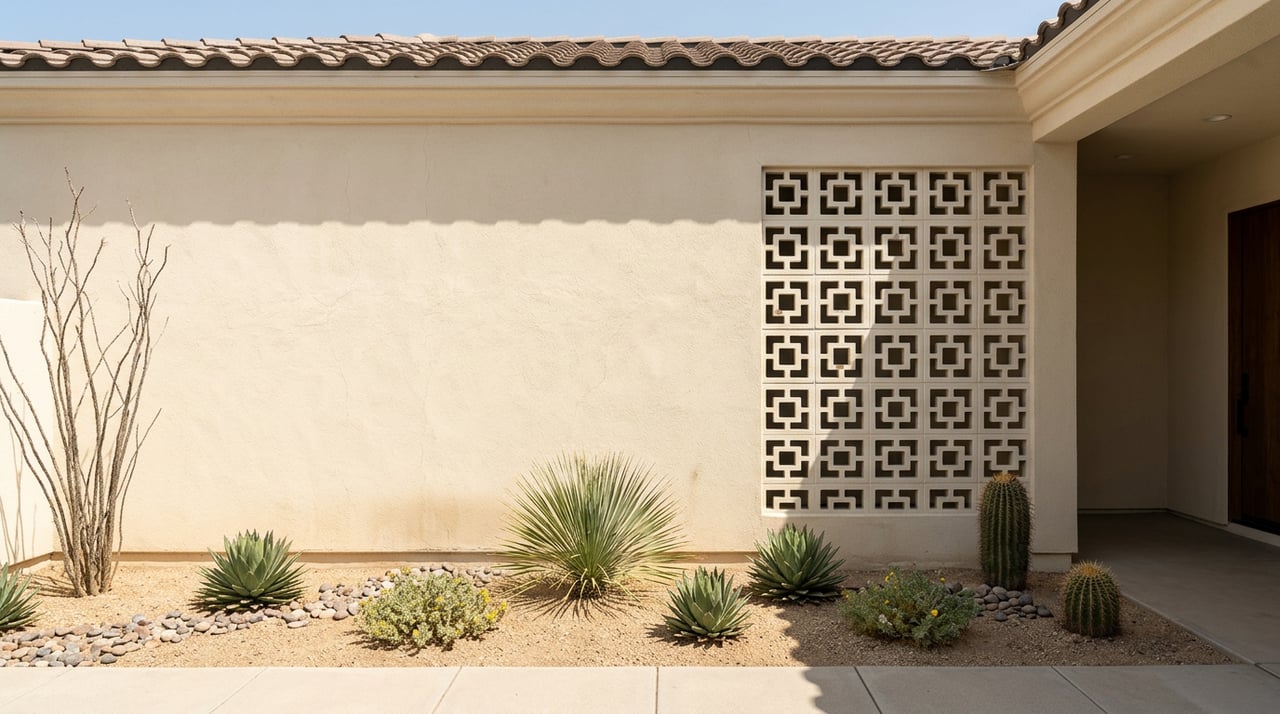
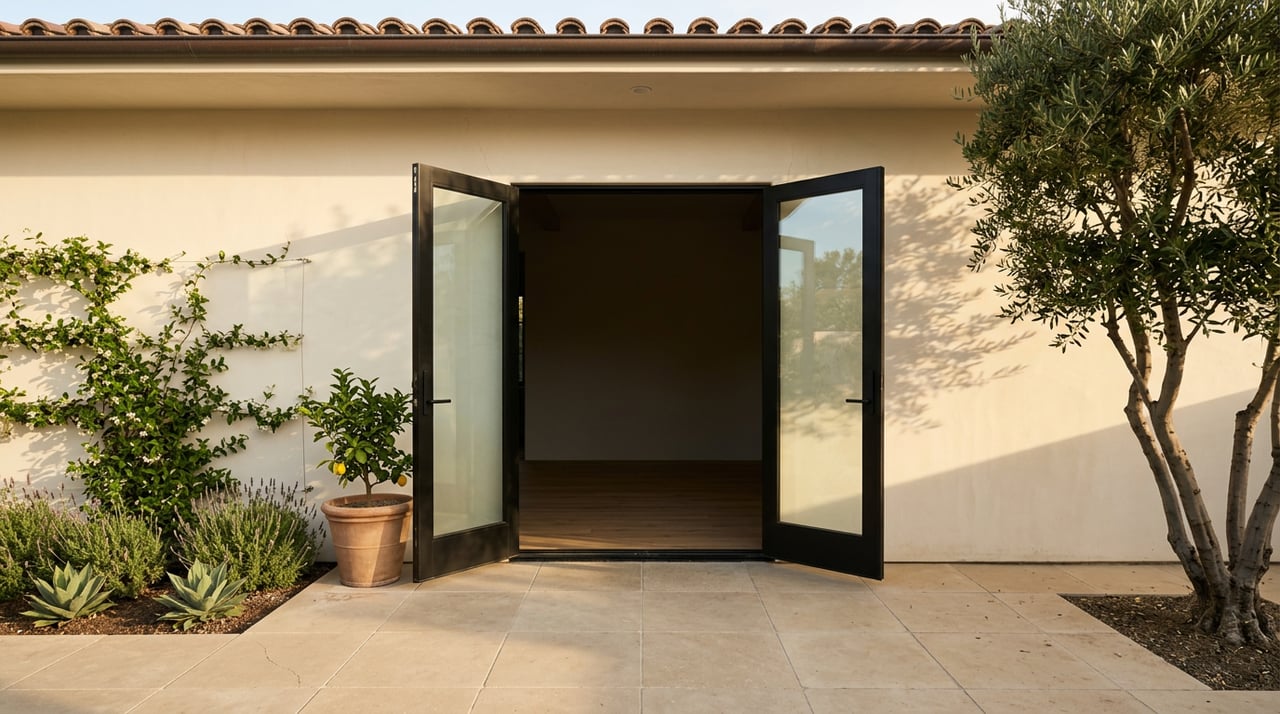
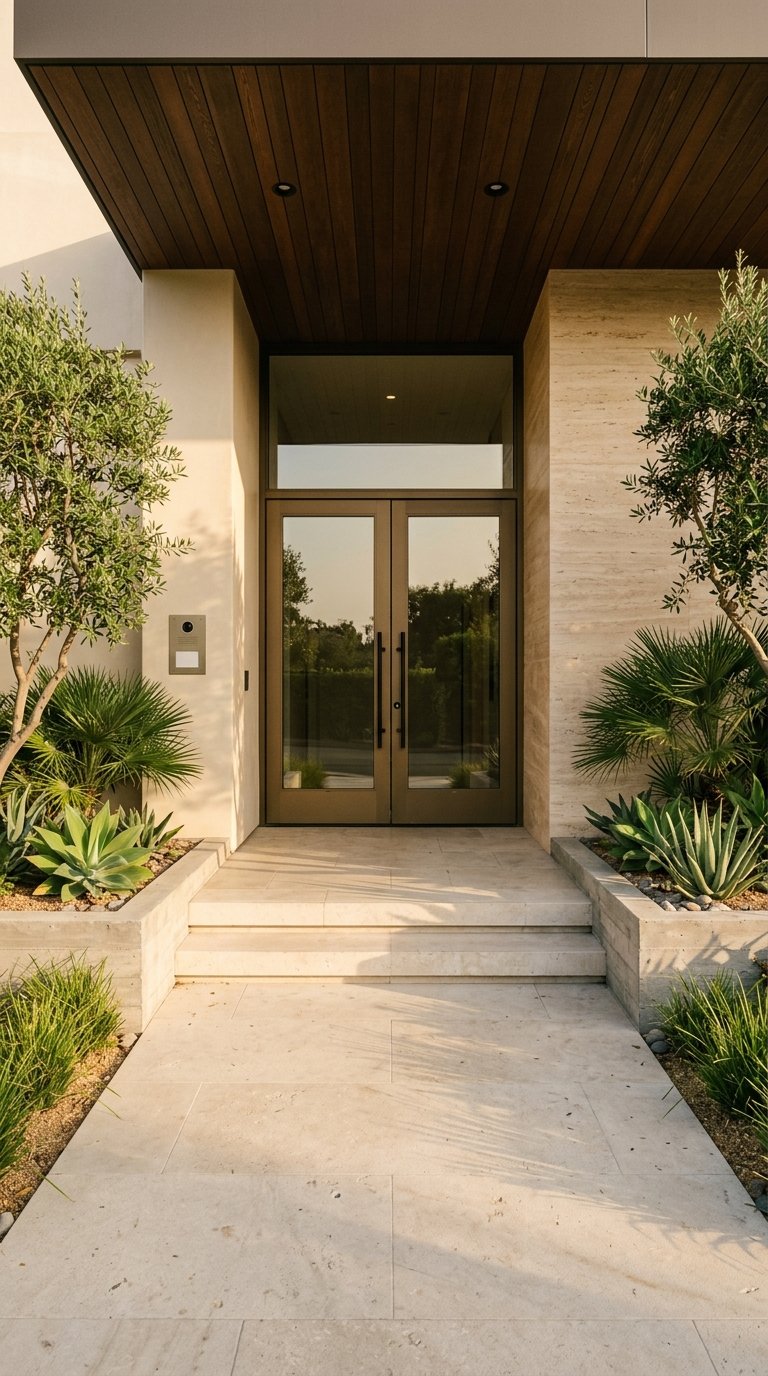
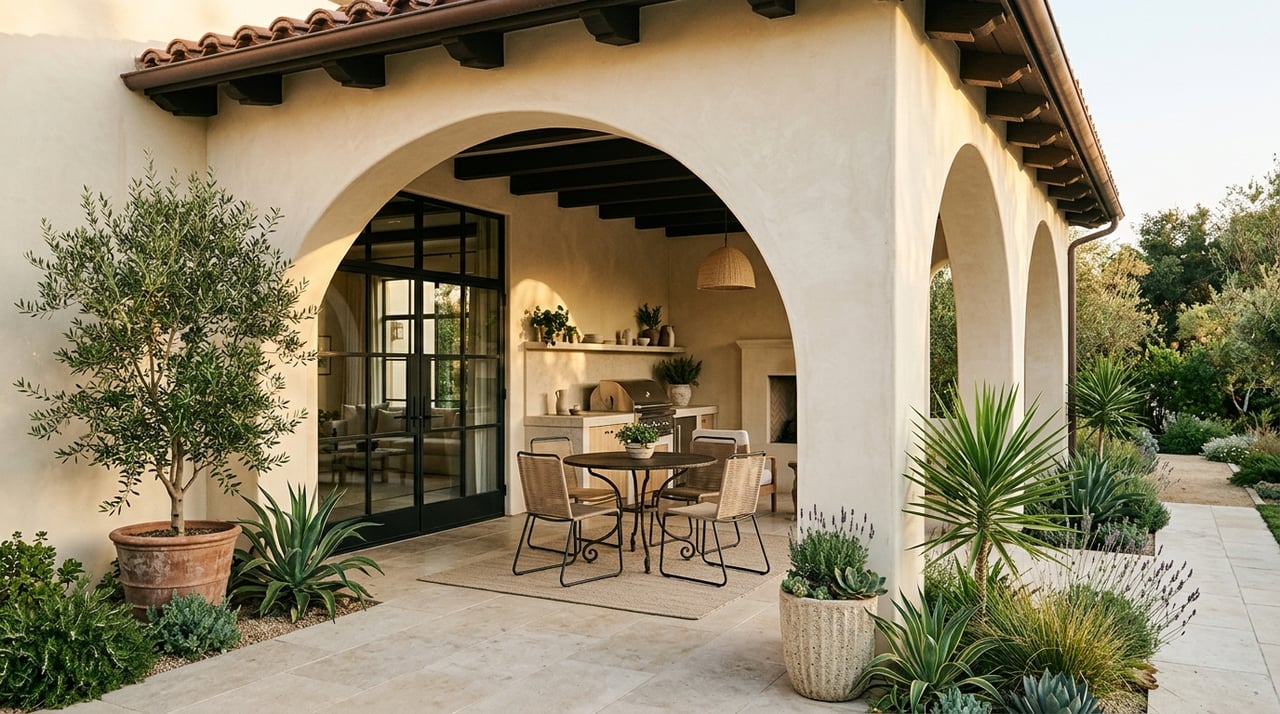
Beverly Hills offers more than one kind of home. You may be comparing classic single-family homes in the Central Area, hillside properties with a different setting and building context, larger estates in Trousdale, or condos and townhomes governed by multi-family rules.
The city’s zoning framework is structured enough that the same assumptions do not apply everywhere. Regulations, height limits, and design review expectations can differ by area, which is why touring several parts of the city is often more useful than relying on online photos alone.
Single-Family Areas Have Different Rules
The city separates single-family property into the Central Area, Hillside Area, and Trousdale Estates. Each has its own regulations, which can affect how a property is used, improved, or expanded. If you are considering a home with remodeling potential, those distinctions matter early.
Trousdale also has special construction hauling requirements and a view-restoration ordinance. In practical terms, that can affect renovation logistics, contractor access, and how long a future project may take.
Condos, Townhomes, and ADU Potential
If you are not looking for a large single-family property, condos and townhomes may offer a different entry point into Beverly Hills. The city uses multi-family density maps to govern how many apartments or condominiums can be built on a property, so inventory can look very different from one block to the next.
The city also allows ADUs on residential or mixed-use property with an existing or proposed dwelling unit. These units may be rented for 31 days or longer, but they cannot be sold separately. If flexibility matters to you, that is a useful point to review while narrowing your options.
Lifestyle in Beverly Hills Goes Beyond Luxury Shopping
Beverly Hills is known around the world for Rodeo Drive, but daily life here includes much more than a high-profile retail corridor. For a relatively small city, it offers a strong mix of parks, civic spaces, and public amenities that help support a full-time residential lifestyle.
The city park system includes Beverly Gardens Park, Coldwater Canyon Park, Greystone Mansion & Gardens, La Cienega Community Center Park, the La Cienega Tennis Center, Roxbury Community Center and Memorial Park, and Will Rogers Memorial Park. The Beverly Hills Public Library also sees more than 51,000 visits per month and holds a 200,000-volume collection.
Privacy and Access Can Coexist
One reason Beverly Hills appeals to relocating buyers is that it blends residential privacy with access to a very visible commercial core. You can have a quieter residential setting while still being close to shopping, dining, parks, and cultural landmarks.
Greystone Mansion & Gardens is a good example of that balance. The city-owned 18.3-acre hillside site offers terraced gardens, views over the Los Angeles basin, public programming, and event spaces, all within the city itself.
Commute Planning Matters More Than You Think
If you are relocating for work, business, or a split lifestyle between neighborhoods, transportation should be part of your home search from day one. Beverly Hills offers several options beyond driving, but your exact experience will still depend on where you live and where you need to go.
The city says Metro runs local and rapid bus lines through Beverly Hills, with added service from LADOT and AVTA. The city also offers a free weekend trolley between Civic Center and Rodeo Drive, plus free Dial-A-Ride and subsidized transportation programs for seniors and residents with disabilities.
The D Line Changes the Conversation
Metro’s D Line extension is especially relevant for buyers who expect to travel between Beverly Hills and other parts of Los Angeles. Metro says riders can travel from Union Station in Downtown Los Angeles to La Cienega in Beverly Hills in around 21 minutes. Future sections extend service to downtown Beverly Hills, Century City, and Westwood Village.
That does not mean every commute will feel short, but it does mean your options may be broader than you expect. If your schedule includes Downtown LA, the Westside, Century City, or Westwood, transit access may influence which part of Beverly Hills works best for you.
Parking Is a Local Quality-of-Life Issue
Parking is not a small detail here. Beverly Hills has 19 city-owned parking facilities, and parking enforcement in residential and commercial areas operates 24 hours a day, seven days a week.
If you are choosing between a condo, townhome, or single-family property, parking setup should be part of your evaluation. Guest parking, garage access, street rules, and proximity to city facilities can all affect day-to-day convenience.
Families Should Plan School Paperwork Early
If school enrollment is part of your move, it helps to plan ahead instead of waiting until after closing. Beverly Hills Unified School District serves about 3,200 students across two TK-5 elementary schools, one middle school, and one comprehensive high school.
The district’s enrollment process requires residency verification, a lease or property tax or mortgage statement, three utility bills including Edison, and proof of immunization. For long-distance buyers, gathering those documents before or immediately after closing can make the transition smoother.
Renovation, Insurance, and Inspection Deserve Extra Attention
Many relocating buyers are drawn to Beverly Hills homes for their architecture, setting, or long-term potential. That can be exciting, but it also means you should look closely at property condition, local rules, and ongoing ownership considerations.
California’s Department of Real Estate advises buyers to review disclosures carefully, consider taxes, assessments, and HOA dues, and hire a qualified inspector to evaluate items such as electrical, plumbing, and structural integrity. In Beverly Hills, that advice is especially important because housing stock and property context can vary significantly from one area to another.
Hillside Living May Bring Added Considerations
The city notes that wildfire threats are elevated near open space, hillside neighborhoods, and heavily landscaped areas. If you are drawn to a hillside setting, ask early questions about maintenance needs, insurance planning, and your comfort with that environment.
This does not mean hillside homes are off the table. It simply means you will want a more detailed review of risk, upkeep, and future project logistics before you move forward.
A Smart Relocation Plan Starts With Process
Long-distance moves can feel overwhelming when inventory, pricing, and local rules all move at once. A simple, disciplined process can keep you grounded and help you avoid expensive missteps.
A practical approach looks like this:
- Get preapproved before your search gets serious.
- Define your ideal property type and preferred micro-area.
- Tour homes in person or by video.
- Confirm school enrollment requirements if they apply to your move.
- Review disclosures, inspections, taxes, assessments, and HOA costs before closing.
Why Preapproval Comes First
Consumer guidance notes that sellers often require a preapproval letter, and that the letter is only a tentative commitment from a lender. It also commonly expires in 30 to 60 days. Starting there helps you understand your range and can prevent your search from drifting above budget.
Local Guidance Matters in a Complex Market
The California Department of Real Estate recommends interviewing several agents, checking that the agent is properly licensed, and asking clear questions during the buying process. In a market like Beverly Hills, local knowledge and strong communication matter because pricing, zoning, and property conditions can shift quickly from one block to the next.
If you are relocating, it also helps to work with a broker who can guide you one-on-one, explain tradeoffs clearly, and help you compare homes beyond surface-level presentation.
Relocating to Beverly Hills can be exciting, but it works best when you approach it with a clear plan and realistic expectations. If you want thoughtful, direct guidance on Beverly Hills relocation, luxury homes, or cross-market California moves, Charles Estates Luxury Properties is here to help.
FAQs
What should you know about Beverly Hills home prices before relocating?
- Beverly Hills pricing varies widely by property type and micro-location, with reported 2026 market figures ranging from an average home value of about $3.67 million to median listing prices above $6 million citywide and much higher in parts of 90210.
What types of homes can you buy in Beverly Hills?
- You may find single-family homes in the Central Area, Hillside Area, or Trousdale Estates, along with condos, townhomes, and some properties with ADU potential.
What commute options are available in Beverly Hills?
- Beverly Hills offers Metro bus service, additional LADOT and AVTA service, a free weekend trolley, and access connected to the Metro D Line extension, in addition to driving and city-owned parking facilities.
What should families prepare for Beverly Hills school enrollment?
- Families should be ready with residency verification, a lease or mortgage or property tax statement, three utility bills including Edison, and proof of immunization for BHUSD enrollment.
What should buyers check before purchasing a Beverly Hills home?
- Buyers should review disclosures, taxes, assessments, HOA dues if applicable, inspection findings, and any city-specific zoning or renovation rules that may affect the property.
What extra factors matter when buying a Beverly Hills hillside home?
- Hillside buyers should pay close attention to wildfire exposure, maintenance needs, insurance planning, inspection results, and any local construction or view-related regulations that could affect future updates.